
Snake Removal in Dallas, TX
Snake pest control for Dallas–Fort Worth homes: a snake in the garage, the house or the yard.
- The snake captured and taken out
- The gaps it used, closed
- Its hiding places pointed out
- A person answers, 24/7
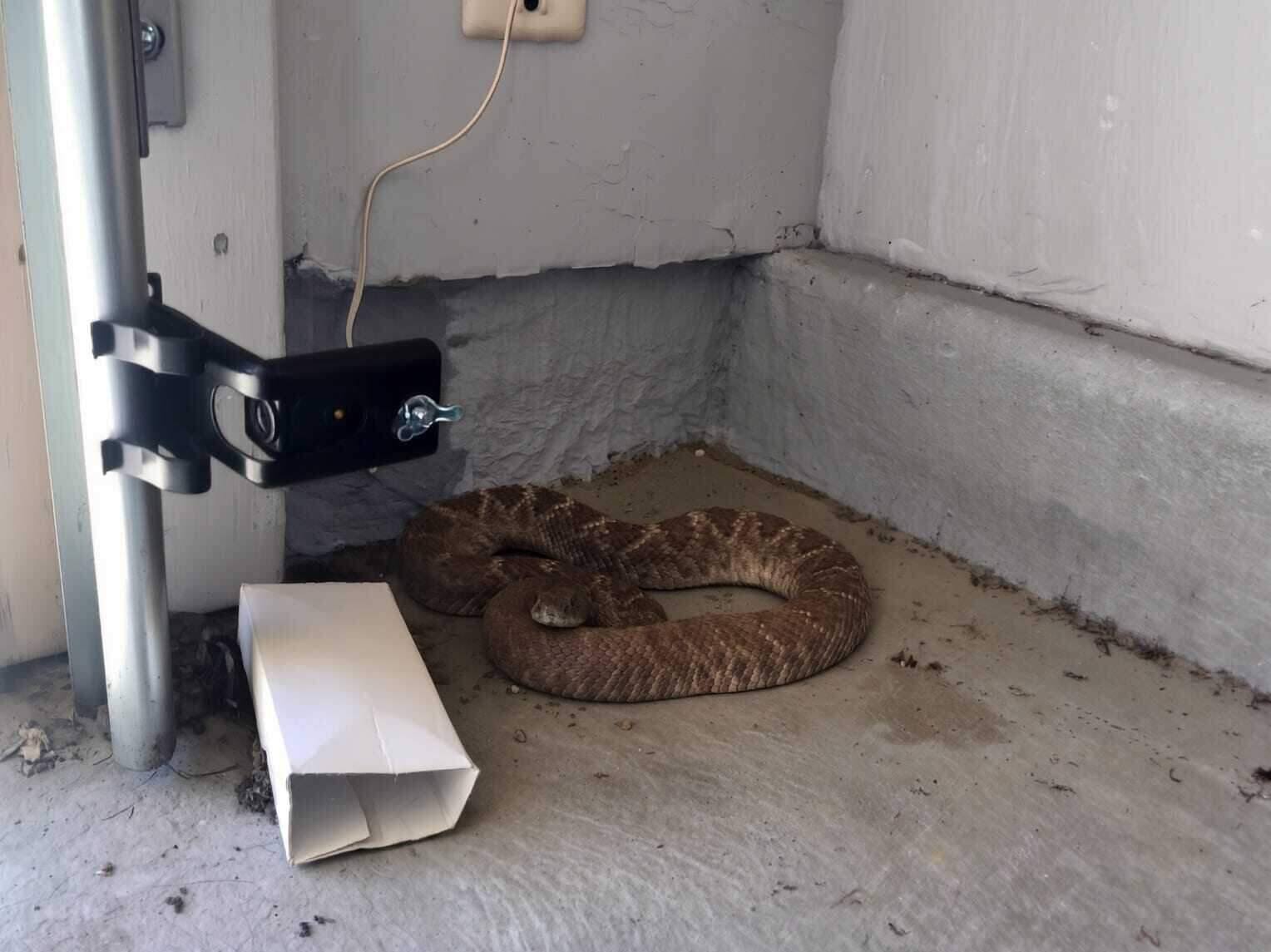
Snake Removal Services for Dallas Homes
Every snake removal we do starts with identifying the snake, before anyone goes near it. Then the inspection finds the way it got in and what drew it to the house, such as a gap under the garage door or mice in the attic.
You hear the price after the inspection, and nothing is caught, trapped or sealed until you agree to it.
The snake is caught alive and taken away, and the gaps it used are closed. After the visit, you get the findings in writing. We answer 24/7, so you can call the moment you see it.
We carry the liability insurance the state requires.
 LicensedIn the state
of Texas InspectBefore any
work starts WrittenReport after
the visit
How We Get a Snake Out, Step by Step
-
1
Call and tell us what you saw
We ask where the snake is and what it looked like. We also ask whether small children or pets live in the house.
-
2
Identify the snake
The snake exterminator who comes out identifies the snake first. A venomous one, such as a copperhead, is handled differently from a harmless rat snake.
-
3
Find where it got in
The inspection runs along the base of the house: the gaps under the doors, cracks in the foundation, and the openings around pipes, wires and the AC line. On a pier-and-beam house, it takes in the crawl space vents. Inside, it covers the rooms, the garage and the attic.
-
4
Hear the price
You see the gaps a snake can use, then hear the price. The capture and the sealing wait for your yes.
-
5
Catch the snake, close the gaps
The technician catches the snake, or sets a trap where it is hiding. Then each gap the inspection found is closed.
-
6
The findings, in writing
The findings name the snake, each gap and what closed it. They also list what keeps snakes near the house, such as a wood pile against the fence or mice in the garage.
To book the inspection, call (972) 573-9907. If the snake slips out of sight before the visit, the search starts where you saw it last.
Copperheads, Rat Snakes and Other DFW Snakes
Dallas Animal Services splits the common North Texas snakes into two lists. The most common harmless ones in Dallas are the eastern rat snake, the blotched water snake, the western ribbon snake and the diamondback water snake. The most common venomous ones are several rattlesnakes, the western cottonmouth, the coral snake and three kinds of copperhead.
Copperheads turn up in backyards too. In summer 2018, Plano posted warnings at White Rock Trail Park in west Plano after copperhead bites to a woman and a dog, and a copperhead in a backyard pool. Texas Parks and Wildlife says that in spring, copperheads are found along streams and in weed-covered vacant lots.
Snakes are mostly inactive in winter and leave their dens in late February or early March. They move most at night and in the early morning and late evening. The harmless kinds lay eggs in spring that hatch in summer.
Food and cover bring a snake to a house: mice, rats and insects, and a cool, damp, dark place to hide. It gets in at ground level or below, through the openings around water pipes, outlets, doors and windows. Rat snakes also live in DFW attics, where they feed on mice and rats and lay eggs in the insulation.
Removing the Snake, Then Closing the Gaps
DFW Pest Guard uses two methods together. Live capture takes out the snake that is already there, and exclusion, which means sealing the ways in, keeps the next one out. There is no spray or bait in snake pest control, because no poison or fumigant is registered for snakes in Texas.
Snake extermination does not mean killing the snake, either. Many Texas snakes are protected by state law, and Texas Parks and Wildlife asks people not to kill one, even a venomous one. A caught snake is released away from the house.
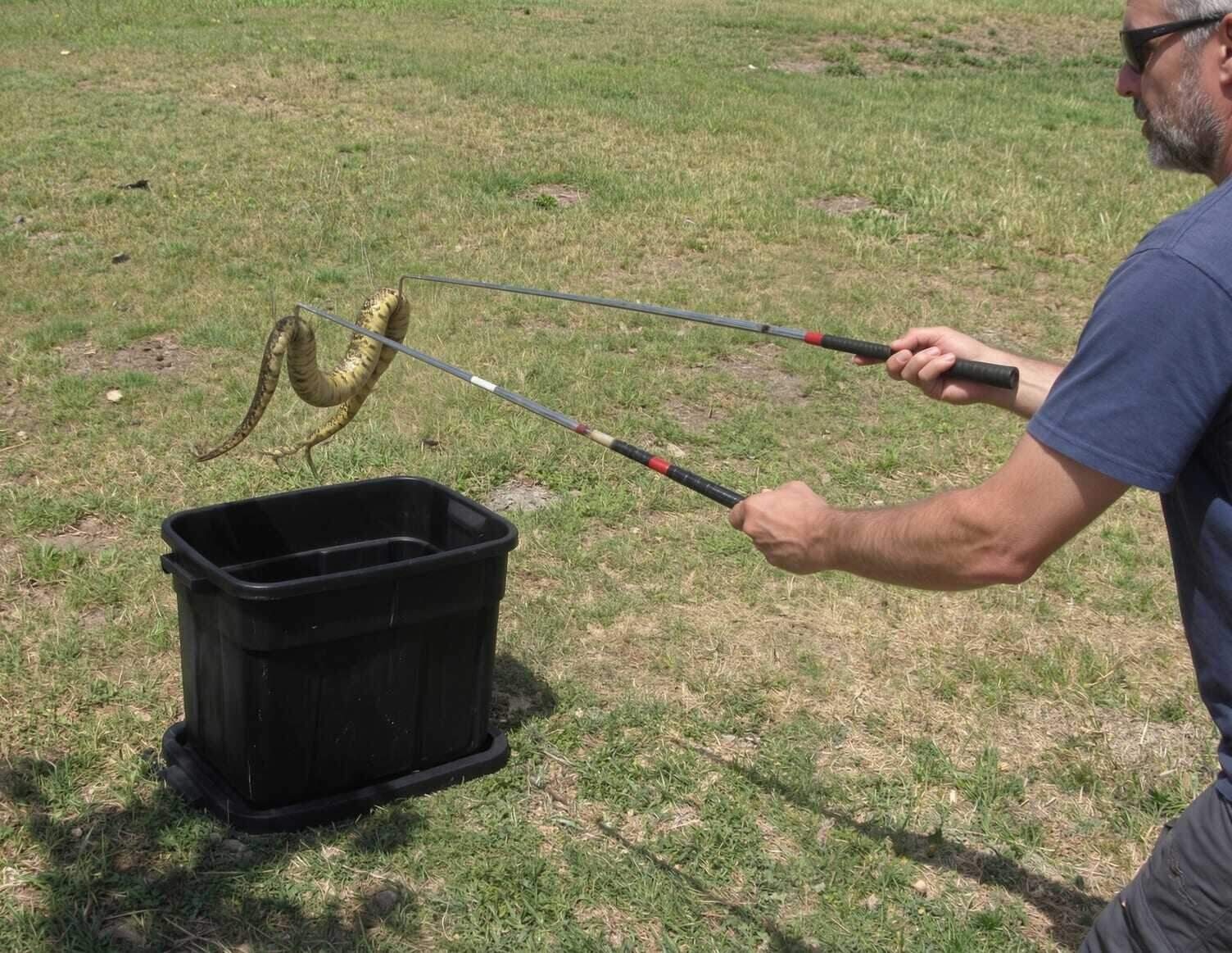
A snake within reach is caught with snake-handling tools, by a technician in protective gear. One that has gone into hiding calls for snake trapping: a funnel trap of hardware cloth goes along the wall where snakes travel. The snake follows the wall into the funnel and cannot find its way back out.
Exclusion works along the base of the house, since snakes get in at ground level. Every hole or crack wider than a quarter inch is closed:
- Masonry. Holes in the brick or a masonry foundation are filled with mortar.
- Vents and siding. Hardware cloth or sheet metal goes over crawl space vents and gaps in wood siding.
- Pipes, wires and the AC line. The gap around each one is sealed with caulk or packed with copper mesh.
- Doors. The garage door and the outside doors get a seal along the bottom.
The last part is cover. Texas A&M AgriLife Extension advises keeping lumber and wood piles at least 18 inches off the ground and clearing rock piles, brush piles and tall grass. The technician points out the ones around your house.
Signs of Snakes Around the House
These point to a snake living in or near the house:
- A snake by the foundation, the garage door or a back door, most often at dusk or early in the morning.
- A shed skin in the garage, the attic or along the slab.
- Eggs in the attic insulation, where rat snakes lay them in spring.
- Mice or rats that suddenly stop showing up. A snake hunting in the yard can be the reason.
Leave a shed skin or eggs where they are, because they show the technician where the snake has been. Keep clear of the snake itself, and call (972) 573-9907 any time, day or night.
If mice or rats drew the snake in, our rodent control takes away its food.
Snake Exterminator Service Across Dallas–Fort Worth
Our snake exterminators work in Dallas, Collin, Tarrant and Denton counties: Dallas, Fort Worth and the suburbs between them, such as Plano and Arlington. We take homes only, meaning houses, townhomes and apartments people live in, not shops or offices.
Every town we cover is on the service areas page. For snake removal in Dallas or a town around it, call (972) 573-9907.
Questions About Snakes
How much will it cost?
The inspection sets the price, before any work starts. A rat snake in the garage with one gap under the door is a smaller job than a snake in the attic with openings all around the foundation.
How long does it take?
A visit usually takes 30 minutes to two hours, depending on the size of the house and how many gaps there are to close. When a trap is set for a hidden snake, there is one more trip to collect it.
Is the snake dangerous to my kids or my dog?
Only rattlesnakes, copperheads, cottonmouths and coral snakes are venomous in Texas, and Dallas Animal Services says never to handle a snake you cannot identify with confidence. Keep children and pets away from it, and do not try to kill it: many bites happen that way, and even a dead snake can still bite. After a bite, move away from the snake and get medical help at once, with no ice, no tourniquet and no cutting the wound.
Can I get rid of it myself?
Partly. Even if the snake leaves, the gap it came through stays open, and the next one can find it. Finding and closing that gap is what you hire a snake removal company for.
What if it rains?
Rain does not stop the capture. A downpour can push the sealing outside to a dry day.
What should I do before the visit?
Watch where the snake goes, from a safe distance. Clear a path to the attic hatch and along the garage walls, since the inspection covers both. Leave any boxes or wood the snake could be under for the technician to move.
We take the snake out. Then we close the gap it used.
Call and tell us where you saw it. Snake pest control starts with the inspection and the price, and nothing happens until you say yes.