Yard Pest Control in Dallas, TX
Outdoor and perimeter pest control for houses and townhomes across Dallas–Fort Worth.
- Fire ants, crickets, earwigs and moles
- A treated band along the foundation
- The price before any work starts
- A person answers, 24/7
Outdoor Pest Control for DFW Yards
Our yard pest control starts with a walk around the whole property: the lawn, the beds against the house and the foundation line. You hear the price before any treatment starts.
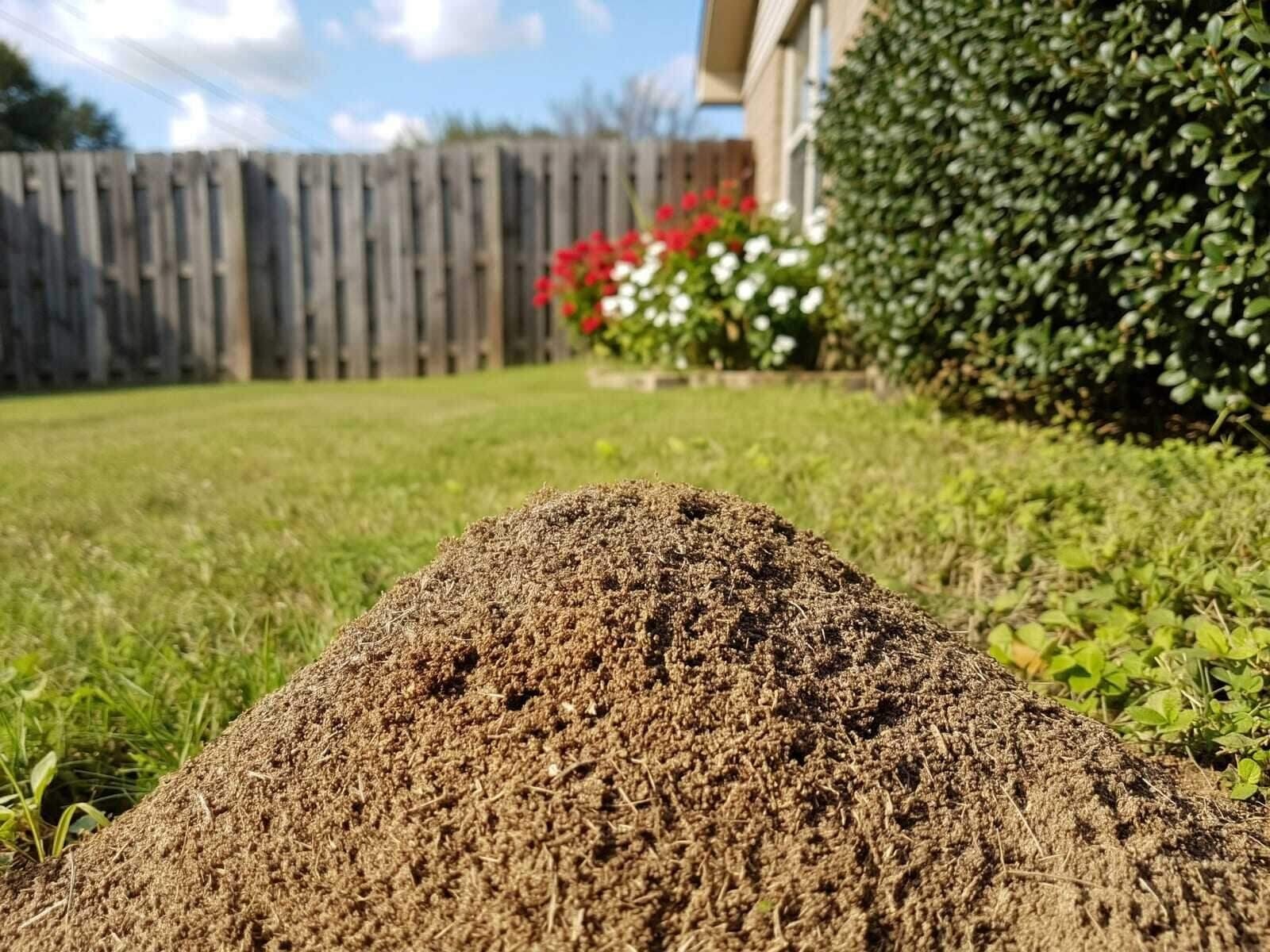
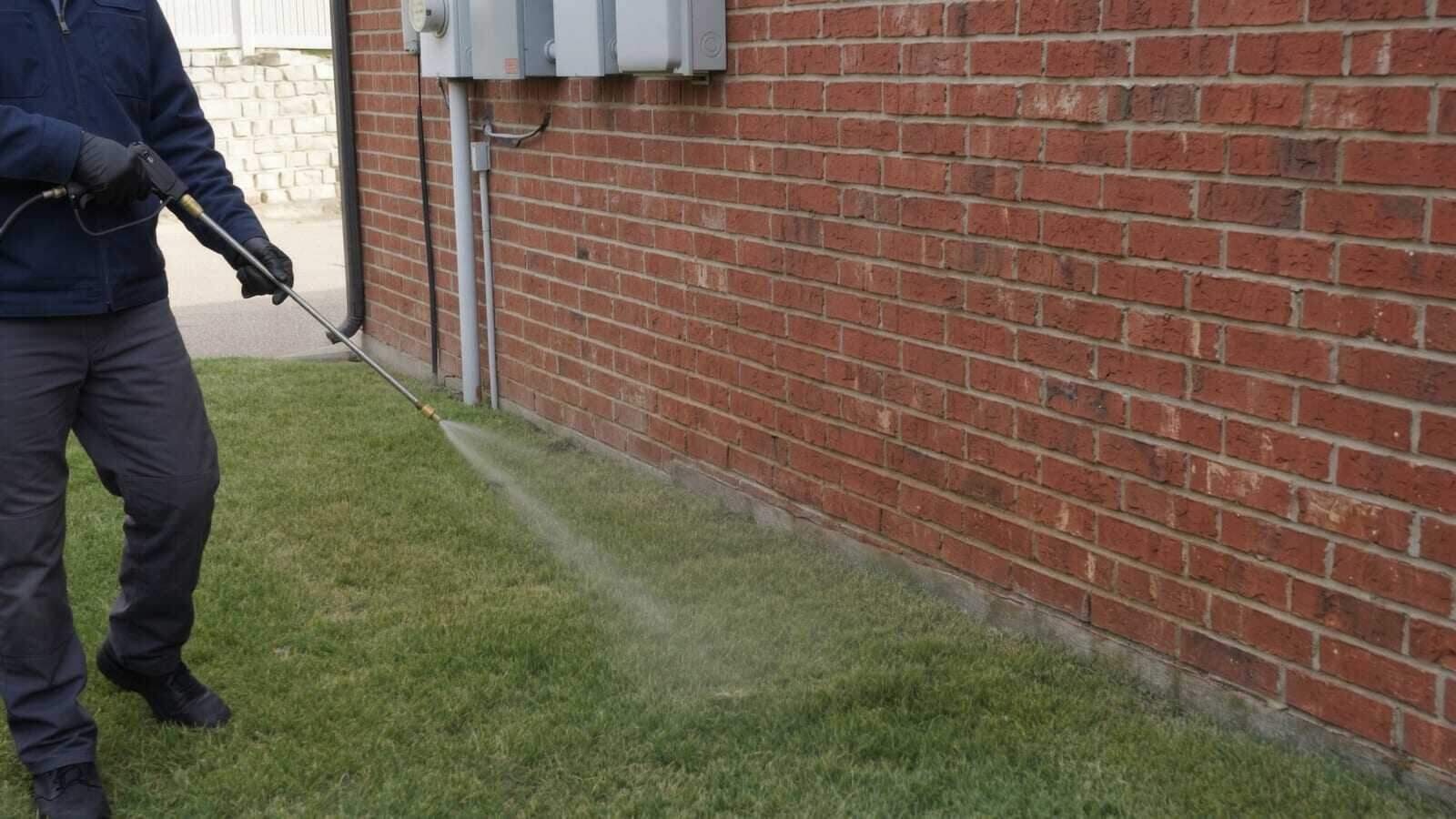
Then the technician treats what the walk turned up, such as fire ant mounds in the lawn or mole runways still in use. Along the foundation goes a band of residual spray for the crickets, earwigs, millipedes and centipedes that wander in from the beds.
After the visit, the findings come to you in writing: what was found, what was used and where it was applied.
We carry the liability insurance the state requires.
 LicensedIn the state
of Texas InspectBefore any
treatment WrittenReport after
the visit
How a Yard Visit Works, Step by Step
-
1
Call and describe the yard
Tell the person who answers what you are seeing outside: mounds along the driveway, crickets by the back door at night, raised ridges across the lawn. Mention any pets and children who use the yard.
-
2
Walk the property
The technician walks the front yard and the back, looking for fire ant mounds in the lawn and along the drive. Next come the mulch beds against the house and the damp spots by the faucets, the AC line and the downspouts. The outdoor lights and any raised mole runways get checked too.
-
3
See the plan, then the price
You see what the walk found and what goes where. Then you hear the price. Nothing goes down until you say yes.
-
4
Treat the lawn and the foundation
Fire ant bait goes across the lawn, and the mounds by the house get their own treatment. Then the technician lays the perimeter band and sets traps in the active mole runways. Keep people and pets off each treated area until it dries.
-
5
Leave the findings in writing
The written findings list what was found, which product was used and where each one went. They also note what keeps drawing pests to the house, like a downspout that empties right against the slab.
To book the yard visit, call (972) 573-9907. A person answers any time, day or night.
A Perimeter Treatment Around the House
Perimeter pest control is a band of residual spray 3 to 5 feet wide along the foundation, on the soil and through the beds planted against the house. Anything crawling from the beds to a door has to cross it, and the spray keeps working after it dries.
For earwigs, the technician waters the band into the soil under the mulch.
The band is only half of outdoor insect control. The other half is the yard itself: thick wet mulch, long grass at the slab and a porch light left on all night keep drawing crickets toward the house. Spray alone does not change that, so the written findings name each of those spots.
Two pests in the yard get a method of their own:
- Fire ants. We use the Texas A&M Two-Step. Bait is broadcast across the whole lawn first, then the mounds next to the house or where people walk are treated one by one.
- Moles. The technician finds the raised runways that are still in use and sets harpoon or choker-loop traps in them.
Pests We Treat in DFW Yards
Most houses in Dallas–Fort Worth sit on a concrete slab, so a pest from the yard comes in at ground level: under a door, or through a gap around a pipe or a wire. Each one starts in its own part of the yard:
- Fire ants build mounds in open lawn and along the driveway, and they sting whoever steps on one. A mound against the slab can send workers inside through a crack.
- Crickets hide in the beds and the grass by day. At night they gather at the porch light, and from there they find the gap under the door.
- Earwigs live in the mulch along the foundation and in the damp ground by faucets, AC lines and downspouts.
- Millipedes and centipedes live under the mulch, leaves and stones in the beds, and turn up on the patio and the garage floor.
- Moles stay in the lawn. They tunnel just under the grass, and the raised runways they leave behind tear it up.
The four insects from the beds move toward the house most after heavy rain in spring and early fall, and again in the summer heat. Those are the weeks when perimeter pest control does most of its work.
Keeping the Yard Clear Between Visits
Outdoor pest control keeps working longer when the yard gives pests less to live on:
- Leave the fire ant mounds alone while the bait works, even if ants are still out in the first weeks.
- Turn the sprinklers off for a day or two after the visit, so the bait stays dry.
- Keep the mulch 2 to 3 inches deep and turn it now and then. Cut the grass short along the foundation.
- Check that gutters, downspouts and drains carry water away from the house, and fix a dripping outside faucet.
- Seal the gaps around doors, pipes and wires.
- In cricket season, switch the outdoor lights to yellow bug lights or turn them off early.
If crickets or earwigs are still coming in after the next heavy rain, call us.
Yard Pest Control Across Dallas–Fort Worth
We offer outdoor pest control services in Dallas, Collin, Tarrant and Denton counties. That takes in Dallas, Fort Worth and the suburbs between them, such as Garland and Keller.
DFW Pest Guard works at homes only, from a corner lot to a townhome patio, and takes no commercial grounds.
Find your city on the service areas page, or call (972) 573-9907 to book a yard visit anywhere in those four counties.
Questions About Yard Treatment
What will it cost?
You hear the price after the walk around the yard, before any product goes down. The cost of yard pest control depends on the size of the lot and on what the walk turns up. A few mounds in the front lawn make a smaller job than fire ants across a big lot with mole runways in the back.
How long does it take to work?
Fire ant bait is the slow part: it takes weeks to months to reach 80 to 90 percent control, so some mounds stay busy after the visit. The band along the foundation goes to work against crickets and earwigs as soon as it has dried.
Is it safe for kids and pets?
Keep children and pets off each treated area until it dries. Before leaving, the technician shows you which areas those are. If you would rather go natural, ask about organic pest control when you call.
Can I do it myself?
Yes, for a mound or two: store fire ant bait can handle that. Bug control for a whole backyard is harder. It means finding the beds the crickets come from, the damp spot the earwigs live in and the runways a mole still uses, all on one walk. That search is much of what you hire an exterminator for.
What if it rains?
Rain right after the visit matters most for the fire ant bait. It goes down on dry ground with no rain expected for a day or two, so a stormy forecast can move the visit to another day. The band along the foundation holds up to ordinary rain once it has dried.
What should I do before you come?
Unlock the gate and bring the pets inside. Leave the fire ant mounds and the mole runways as they are, so the technician can find them, and switch off the sprinkler timer for the day.
Fire ants and crickets start in the yard. Keep them there.
One call books the yard visit, and you hear what outdoor pest control will cost before any work starts.